
How IT Monitoring Detects Problems Before They Affect Your School
Schools rely on technology every day. Technology is now an important component of how schools do their teaching, assessment, and communication. School IT monitoring will provide leadership teams with early warning of network or device issues that could affect lessons, assessments, or day-to-day administration.
Schools are heavily dependent on technology daily, and numerous IT issues start small and go unnoticed. These can go unnoticed and cause disruption. That’s why IT monitoring for schools is important. This article covers the basics of IT monitoring, its importance in the school environment, and how it can prevent unnecessary downtime.
What Is IT Monitoring for Schools?
Many IT problems begin as small issues. Unexpected IT issues can interrupt teaching, learning, administration, online assessments, and communication. IT monitoring for schools is the continuous oversight of servers, networks, Wi-Fi, and cloud services to ensure they operate as intended.
Monitoring tools continuously monitor performance, connectivity, and security in real time, rather than waiting for devices or systems to fail. This provides the IT team (whether in-house or outsourced) with visibility into the entire school network and enables any small irregularities to be picked up long before they impact classrooms.
Why Schools Need Proactive IT Monitoring
Schools rely on consistent connectivity for lessons, registers, safeguarding systems and communicating with parents. An unnoticed issue, such as a failing switch or an overloaded server, can quietly escalate and lead to a larger failure. Instead of fixing things after they break, proactive IT monitoring shifts schools from reactive to preventive, helping minimise downtime and prevent learners and education staff from experiencing a disrupted day.
How IT Monitoring Detects Problems Before They Become Serious
Monitoring systems continuously log performance data and alert on any anomalies, including increases in network traffic, approaching storage capacity, or server response times.
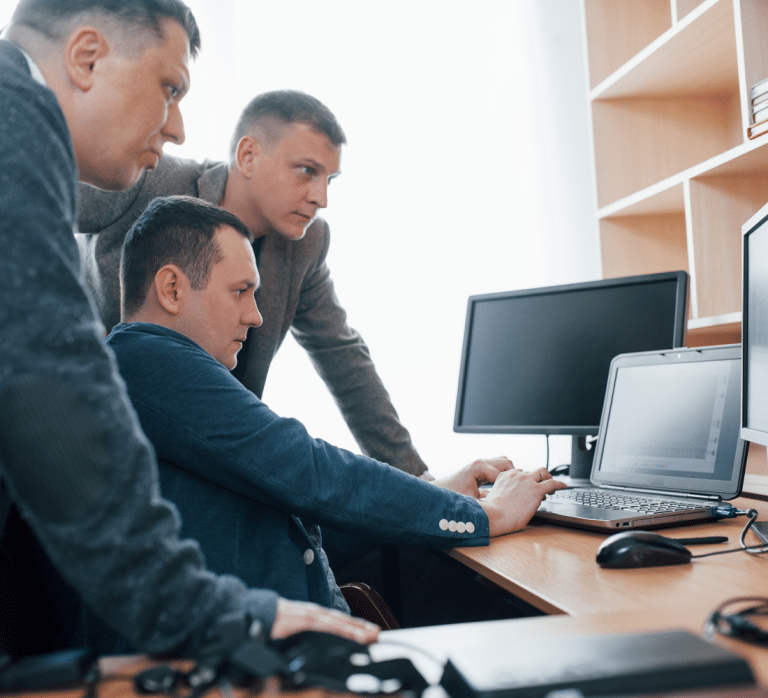
IT staff members monitor these signs and symptoms and can investigate and resolve them before pupils and/or staff are affected. This oversight is ongoing, and most problems are detected in the early stages and easily remedied.
Common IT Problems That Monitoring Can Prevent
Monitoring can detect a variety of problems early on, such as slow or erratic wireless connections, aging equipment on the verge of failure, outdated software, and even unusual login activity that may indicate a security issue. If left unchecked, these minor problems can lead to widespread outages.
Regular monitoring means that they are dealt with quietly and swiftly; sometimes before staff have even noticed that something is amiss.
Key Benefits of IT Monitoring for Schools
There are several benefits to a school having consistent monitoring. It minimises unexpected interruptions, ensures successful lesson implementation and assessment, and provides leadership teams with assurance that systems are secure and stable.
IT monitoring for schools also aids in long-term planning, as monitoring data show whether equipment is aging or if recurring problems should be corrected. Most significantly, it allows employees to dedicate more of their time to teaching and learning, and less to problem-solving technology. They are ideal for preventing IT downtime in schools.
What Should Schools Look for in an IT Monitoring Service?
The ideal IT monitoring for schools should provide 24/7 monitoring, detailed reporting, and immediate response to any problems raised. Schools should seek a provider who is familiar with the education landscape and can support the education systems they use. These include safeguarding software, cloud-based learning platforms, and more, and who is available during term time when disruption is not desired.
Why IT Monitoring Works Best as Part of Managed IT Support
School technology monitoring is most effective when combined with a broader managed IT service. Monitoring alone can identify problems, and when coupled with responsive support, they are addressed quickly. They provide schools with an all-in-one safety net, from everyday support with the IT systems to long-term infrastructure planning.
Conclusion
Reliable technology keeps schools running smoothly, and IT infrastructure monitoring is a key element in preventing small issues from becoming disruptive problems. Without monitoring, these issues often go unnoticed until they cause disruption. Schools will receive proactive support and identify faults in time, helping to minimise downtime and the impact on teaching time. Cygnet IT Services offers proactive IT monitoring for schools, ensuring that systems are stable, secure, and available on each school day.
Faqs
What is IT monitoring for schools?
IT monitoring for schools comprises continuous surveillance of a school’s network, servers, and devices to detect problems early and maintain smooth system operations.
How often should school IT systems be monitored?
Monitoring should be carried out continuously, 24 hours per day, to detect issues immediately.
Can IT monitoring prevent cyber attacks?
IT monitoring does not prevent all cyberattacks, but it helps detect unusual activity at an early stage, facilitating a quicker response.
Does IT monitoring reduce downtime?
Yes, monitoring closely helps prevent unplanned outages, since problems are identified before they get out of control.
What systems can be monitored in a school?
All servers, networks, Wi-Fi, cloud services, and connected devices can be monitored.
Is IT monitoring suitable for primary schools?
Yes, proactive monitoring and early issue detection are beneficial to schools of all sizes.
Can schools monitor cloud services?
Yes, schools can monitor for learning, communication, and administration platforms
What is the difference between IT support and IT monitoring?
IT support fixes problems after they’ve been reported; monitoring detects and flags them before they’re noticed.